Support our educational content for free when you buy through links on our site. Learn more

🎶 How Can I Create My Own Song? 25 Steps for 2026


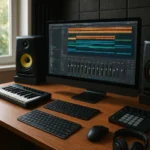
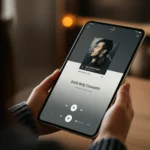
If you want to create your own song, all you need is a spark of inspiration, a simple structure, and the right tools—yes, even if you can’t play an instrument or read music. The secret? Start with a strong idea, use accessible apps like GarageBand or Song Maker: Music Mixer, and let your creativity lead the way.
“How can I create my own song?” is a question we hear constantly, and the answer is refreshingly simple: anyone can do it, and you don’t need a fancy studio or a degree in music theory. We’ve seen chart-toppers born in bedrooms and viral hits crafted on smartphones.
One of our team’s favorite stories: a songwriter we know penned a catchy chorus on a napkin during a lunch break, recorded it on their phone, and—after a few tweaks—watched it rack up thousands of streams online. Sometimes, the best songs start with a single, honest moment.
Ready to see how it’s done? Let’s break down the process, tools, and pro secrets that’ll get your song from idea to streaming in 2026.
Key Takeaways
- Anyone can create a song—no musical background required.
- Start with a clear idea or emotion for your lyrics and melody.
- Use accessible tools like GarageBand, FL Studio, or Song Maker: Music Mixer.
- Structure matters: Verse–chorus–bridge is a classic for a reason.
- Protect your work with copyright before sharing.
- Don’t wait for perfection—start now and refine as you go!
Table of Contents
- ⚡️ Quick Tips and Facts
- 🎸 The Evolution of Songwriting: A Brief History
- 🧠 Understanding the Song Creation Process
- 🎯 Setting Your Songwriting Goals
- 🔟 10 Essential Steps to Create Your Own Song
1. Finding Inspiration and Song Ideas
2. Choosing Your Song Structure
3. Writing Lyrics That Resonate
4. Crafting a Memorable Melody
5. Harmonizing with Chords and Progressions
6. Arranging Your Song for Maximum Impact
7. Recording Your Song at Home or in Studio
8. Producing and Mixing Your Track
9. Mastering for a Professional Sound
10. Sharing and Releasing Your Song - 🎤 Tools and Software for Song Creation
- 🎹 Best Instruments for Songwriting
- 📱 Top Songwriting Apps and Online Resources
- 🤔 Common Songwriting Challenges and How to Overcome Them
- 💡 Songwriting Tips from the Pros
- 📈 How to Improve Your Songwriting Skills
- 🔒 Copyright, Publishing, and Protecting Your Song
- 💬 Collaborating with Other Musicians
- 🌍 Promoting Your Song: Social Media and Beyond
- 📝 Songwriting for Different Genres
- 🎬 Creating a Music Video for Your Song
- 📊 Case Studies: Successful DIY Songwriters
- 🧩 Frequently Asked Songwriting Questions
- 🔗 Recommended Links
- 📚 Reference Links
- 🏁 Conclusion
⚡️ Quick Tips and Facts
- Anyone can write a song—you don’t need to read music or play an instrument (though it helps!).
- Start with a strong idea or emotion—songs that come from real feelings connect best.
- Modern tools make it easy: Apps like GarageBand, FL Studio, and Song Maker: Music Mixer let you create full songs on your phone or computer.
- Protect your work: Learn about copyright and licensing before sharing your masterpiece.
- You don’t need a fancy studio: Check out our DIY Recording Studio tips for pro results at home.
- Song structure matters: Most hits use verse–chorus–verse–chorus–bridge–chorus (but rules are made to be broken).
- Lyrics feeling stuck? Our Lyric Inspiration section is packed with prompts and tricks.
- Melody is king: Explore Melody Creation for catchy hooks.
Curious how the pros do it? We’ll spill the beans soon—but first, let’s see how songwriting evolved from quill and parchment to DAW and plugins.
🎸 The Evolution of Songwriting: A Brief History

Songwriting has come a long way since the days of wandering minstrels and candle-lit ballads. In the 180s, you’d need a piano, a parlor, and a penchant for heartbreak. Fast-forward today, and you can create a chart-toper on your phone while waiting for your coffee.
Key Milestones in Songwriting:
| Era | Songwriting Tools | Notable Innovations |
|---|---|---|
| 180s | Piano, pen & paper | Sheet music, parlor songs |
| 1950s-60s | Guitar, reel-to-rel | Rock ‘n’ roll, Motown |
| 1980s | Synthesizers, drum machines | MIDI, home studios |
| 200s | DAWs, plugins | Auto-Tune, digital sharing |
| Today | Apps, cloud collaboration | AI tools, mobile studios |
Fun Fact: The Beatles wrote “Yesterday” on a napkin. Today, you might jot your next hit in Google Keep.
Want to know how to get your music noticed? Check out our guide on 🎤 Create a Musician EPK That Gets Noticed.
🧠 Understanding the Song Creation Process
Songwriting isn’t just “waiting for the muse.” It’s a blend of inspiration, structure, and craft. Here’s the big picture:
- Inspiration: The spark—an emotion, story, or vibe.
- Structure: The skeleton—verses, choruses, bridges.
- Lyrics: The flesh—words that tell your story.
- Melody & Harmony: The soul—what makes it sing.
- Arrangement: The wardrobe—how you dress your song.
- Production: The makeup—polishing for the world.
Why Process Matters
According to SongTown, “Learning to let each section of your song communicate one strong idea is the key to having songs that listeners can easily follow and connect with.” We couldn’t agree more.
But what if you’re stuck at step one? Don’t worry—we’ll walk you through every stage, including the ones where most beginners trip up.
🎯 Setting Your Songwriting Goals
Before you pick up a guitar or open your DAW, ask yourself:
- Why am I writing this song?
- Who do I want to reach?
- What do I want listeners to feel?
Personal Story
When we started Make a Song™, our first track was a love letter to pizza. (No, really.) It never made the charts, but it taught us the power of writing from the heart—and the stomach.
Goal-Setting Tips
- Be specific: “I want to write a breakup song that feels like a rainy Tuesday.”
- Set a deadline: Even the Beatles had to finish before the studio closed.
- Decide on your tools: Acoustic guitar? FL Studio? Song Maker: Music Mixer?
Still unsure? The first YouTube video in this playlist suggests starting with a clear story or vibe—be “very, very specific” about the emotion or narrative you want to convey.
🔟 10 Essential Steps to Create Your Own Song
Ready for the main event? Here’s our tried-and-true roadmap, with expert insights, personal anecdotes, and a dash of hard-won wisdom.
1. Finding Inspiration and Song Ideas
Where do songs come from? Sometimes, a melody pops into your head in the shower. Other times, you need to dig.
Inspiration Sources
- Personal experiences: Heartbreak, joy, or that time you spilled coffee on your laptop.
- Other songs: Analyze your favorites. What grabs you?
- Books, movies, and poetry: Expand your lyrical palette.
- Journaling: Keep a notebook or use Evernote for lyric snippets.
- Online generators: Try Chord.com for instant chord progressions.
Pro Tip
The first YouTube video recommends journaling and “copy-work”—writing out lyrics from your favorite songs to study their style.
Internal Link
Need more ideas? Our Lyric Inspiration section is a goldmine.
2. Choosing Your Song Structure
Structure is your song’s skeleton. Most pop songs use:
- Verse – Chorus – Verse – Chorus – Bridge – Chorus
But don’t be afraid to experiment! The structure should serve your story.
Common Song Structures
| Structure Name | Pattern | Example Song |
|---|---|---|
| Pop | V–C–V–C–B–C | “Shape of You” (Ed Sheran) |
| Folk | V–V–V–V | “Blowin’ in the Wind” (Bob Dylan) |
| Rock | V–C–V–C–B–C–O | “Livin’ on a Prayer” (Bon Jovi) |
V = Verse, C = Chorus, B = Bridge, O = Outro
Internal Link
For more on structure, visit Melody Creation.
3. Writing Lyrics That Resonate
Lyrics are the heart of your song. They can be poetic, punchy, or plain—but they must be honest.
Step-by-Step Lyric Writing
- Start with your main idea or title. SongTown suggests brainstorming multiple titles before picking the strongest.
- Blueprint each section. Write a one-sentence summary for each verse and chorus.
- Draft your verses. Build the story or emotion.
- Write the chorus. Make it memorable and tie it to your title.
- Edit ruthlessly. Cut clichés, keep it clear.
Table: Lyric Blueprint Example
| Section | Blueprint Sentence |
|---|---|
| Verse 1 | You broke my heart and want a second chance. |
| Chorus | Never again will I trust you. |
| Verse 2 | You’ll have to find someone else to hurt. |
Tips from the Pros
- Read poetry to expand your vocabulary.
- Write daily—even if it’s nonsense at first.
- Let the faucet run (as the first YouTube video says): get the “dirty water” out before the “clean water” flows.
Internal Link
Stuck? Our Lyric Inspiration section has prompts galore.
4. Crafting a Memorable Melody
Melody is what people hum in the shower. It’s the magic sauce.
How to Create a Melody
- Sing your title over different chord progressions.
- Experiment with rhythm and pitch. Try singing one note, then move up and down.
- Record everything. Use your phone’s voice memos or Evernote.
- Keep it singable. If you can’t remember it, neither will your audience.
Table: Melody Creation Tools
| Tool/App | Platform | Features |
|---|---|---|
| GarageBand | Mac/iOS | Lops, instruments, easy recording |
| FL Studio | Windows/Mac | Pro-level MIDI, plugins, beat making |
| Song Maker: Music Mixer | Android | Lops, beats, voice recording |
Internal Link
Explore more in Melody Creation.
5. Harmonizing with Chords and Progressions
Chords are your song’s emotional engine. They set the mood.
How to Choose Chords
- Major chords = happy, uplifting
- Minor chords = sad, introspective
- Experiment with progressions using your instrument or an online generator like Chord.com.
Table: Popular Chord Progressions
| Progression | Mood | Example Song |
|---|---|---|
| I–V–vi–IV | Uplifting | “Let It Be” (The Beatles) |
| vi–IV–I–V | Emotional | “Someone Like You” (Adele) |
| I–IV–V | Classic/Bluesy | “La Bamba” (Ritchie Valens) |
Internal Link
Need help? Our Instrument Tutorials can get you started.
6. Arranging Your Song for Maximum Impact
Arrangement is how you dress your song. It’s the difference between a demo and a hit.
Arrangement Tips
- Start simple: Piano and voice, or guitar and voice.
- Layer instruments: Add bass, drums, synths as needed.
- Dynamics matter: Build energy in the chorus, strip back for the verses.
- Think like a listener: Does the song keep your attention?
Table: Arrangement Building Blocks
| Element | Typical Role |
|---|---|
| Drums | Rhythm, energy |
| Bass | Groove, foundation |
| Guitar | Harmony, texture |
| Synths | Atmosphere, color |
| Vocals | Melody, emotion |
7. Recording Your Song at Home or in Studio
You don’t need Abbey Road to sound great. Home studios are more powerful than ever.
Home Recording Essentials
- DAW (Digital Audio Workstation): GarageBand, FL Studio, Ableton Live.
- Audio Interface: Focusrite Scarlett.
- Microphone: Shure SM58, Audio-Technica AT2020.
- Headphones: Audio-Technica ATH-M50x.
Internal Link
For more, see our DIY Recording Studio guide.
Block-level CTA
👉 CHECK PRICE on:
- Focusrite Scarlett: Amazon | Sweetwater | Guitar Center
- Shure SM58: Amazon | Sweetwater | Guitar Center
8. Producing and Mixing Your Track
Production is where the magic happens. Mixing polishes your song until it shines.
Production Steps
- Balance levels: Make sure vocals, instruments, and drums are clear.
- EQ and effects: Add reverb, delay, and compression for depth.
- Automation: Adjust volume and effects throughout the song for dynamics.
Mixing Tips
- Reference tracks: Compare your mix to songs you love.
- Take breaks: Fresh ears catch mistakes.
- Export multiple versions: Try different mixes.
Table: Popular DAWs for Mixing
| DAW | Strengths |
|---|---|
| Ableton Live | Electronic, live performance |
| Logic Pro X | Professional, Mac only |
| FL Studio | Beat making, intuitive |
9. Mastering for a Professional Sound
Mastering is the final polish. It ensures your song sounds great everywhere.
Mastering Checklist
- Volume: Match commercial tracks.
- EQ: Tame harsh frequencies.
- Compression: Glue everything together.
- Limiting: Prevent distortion.
DIY vs. Pro Mastering
- DIY: Use plugins like iZotope Ozone.
- Pro: Hire a mastering engineer for best results.
Table: Mastering Tools
| Tool | Type | Features |
|---|---|---|
| iZotope Ozone | Plugin | All-in-one mastering suite |
| LANDR | Online | AI-powered mastering |
| Waves L2 | Plugin | Limiting, loudness |
10. Sharing and Releasing Your Song
Don’t let your song gather digital dust. Share it with the world!
Release Platforms
- Streaming: Spotify, Apple Music, SoundCloud.
- Distribution: DistroKid, CD Baby, TuneCore.
- Social media: Instagram, TikTok, YouTube.
Internal Link
Want to protect your work? Visit our Copyright and Licensing section.
Pro Tip
Create an EPK (Electronic Press Kit) to get noticed by industry pros.
🎤 Tools and Software for Song Creation
Let’s talk gear. The right tools can make or break your creative flow.
Top Songwriting Apps and DAWs
| App/DAW | Platform | Best For |
|---|---|---|
| GarageBand | Mac/iOS | Beginners, demos |
| FL Studio | Windows/Mac | Beat making, hip hop |
| Ableton Live | Windows/Mac | Electronic, live sets |
| Logic Pro X | Mac | Pro production |
| Song Maker: Music Mixer | Android | Mobile, loops, quick ideas |
Song Maker: Music Mixer — Mini Review
| Aspect | Rating (1-10) |
|---|---|
| Design | 7 |
| Functionality | 8 |
| Sound Library | 8 |
| Ease of Use | 9 |
| Flexibility | 7 |
Features:
- Thousands of free sounds, beats, and loops.
- Record your voice and add it to tracks.
- Arrange, edit, and mix on your phone.
- Free to use, but ads and subscriptions for extras.
Benefits:
- ✅ Super accessible for beginners.
- ✅ No studio needed.
- ✅ Huge sound library.
Drawbacks:
- ❌ Ads can interrupt workflow.
- ❌ Limited advanced features compared to desktop DAWs.
👉 CHECK PRICE on:
- Song Maker: Music Mixer: Google Play
Internal Link
Want to build a home studio? Visit DIY Recording Studio.
🎹 Best Instruments for Songwriting
You don’t need a wall of synths, but a few trusty instruments make songwriting easier.
Top Picks
| Instrument | Why It’s Great |
|---|---|
| Acoustic Guitar | Portable, versatile, classic for songwriting |
| Digital Piano/Keyboard | Easy to play chords, great for melody ideas |
| MIDI Controller | Triggers virtual instruments in your DAW |
| Smartphone/Tablet | With apps like GarageBand, you’re set! |
Internal Link
Learn more in Instrument Tutorials.
📱 Top Songwriting Apps and Online Resources
Don’t let inspiration slip away—there’s an app for that!
Must-Have Songwriting Apps
| App/Resource | What It Does |
|---|---|
| Evernote | Lyric and idea capture |
| RhymeZone | Rhyming dictionary, synonyms |
| Chord | Chord progression generator |
| Song Maker: Music Mixer | Full song creation on Android |
| BandLab | Online DAW, collaboration |
Internal Link
For more, check our Melody Creation and Lyric Inspiration categories.
🤔 Common Songwriting Challenges and How to Overcome Them
Every songwriter hits a wall. Here’s how to smash through.
Common Problems
- Writer’s block: Can’t find the right words or melody.
- Second verse syndrome: Verse 2 feels like a rerun.
- Overthinking: Perfectionism kills progress.
- Technical overwhelm: Too many tools, not enough music.
Solutions
- Blueprint your song: As SongTown says, plan each section before writing.
- Write daily: Even if it’s bad, it gets the creative juices flowing.
- Collaborate: Fresh ears and ideas help.
- Limit your tools: Pick one DAW or app and master it.
Internal Link
Need a jumpstart? See Lyric Inspiration.
💡 Songwriting Tips from the Pros
What do hitmakers know that you don’t? Here’s their best advice:
- Start with a strong title. The chorus should revolve around it.
- Keep it simple. Don’t use ten chords when three will do.
- Sing your lyrics out loud. If it’s awkward, rewrite.
- Don’t build a bridge unless there’s a river to cross. (Thanks, SongTown!)
- Let your first draft be messy. Edit later.
Pro Perspective
The first YouTube video says: “Let the faucet run and just let all the dirty water flow out before any of the clean water comes in.” We’ve written plenty of “dirty water” songs—some turned out to be our best.
📈 How to Improve Your Songwriting Skills
Songwriting is a muscle—use it or lose it!
Practice Strategies
- Write every day: Even 10 minutes counts.
- Study great songs: Analyze lyrics, melody, and structure.
- Read books: Try Mastering Melody Writing by Clay Mills.
- Take online courses: Coursera, Berklee Online.
Table: Recommended Books
| Title | Author | Focus |
|---|---|---|
| Mastering Melody Writing | Clay Mills | Melody techniques |
| Song Building | Marty Dodson | Song structure |
| Writing Better Lyrics | Pattison | Lyric writing |
🔒 Copyright, Publishing, and Protecting Your Song
Don’t let your masterpiece get stolen!
How to Protect Your Song
- Register your copyright: In the US, use the U.S. Copyright Office.
- Publish your song: Use a publisher or self-publish via Songtrust.
- Understand usage rights: Apps like Song Maker: Music Mixer let you use your creations, but you can’t sell their raw loops.
Internal Link
See our full Copyright and Licensing guide.
💬 Collaborating with Other Musicians
Two (or more) heads are better than one.
Collaboration Platforms
- BandLab: Online DAW and collaboration.
- Soundtrap: Cloud-based music studio.
- Kompoz: Connects musicians worldwide.
Tips for Collaboration
- Communicate clearly: Share your vision.
- Be open to feedback: Your idea might get even better.
- Share credits: Decide on splits before releasing.
🌍 Promoting Your Song: Social Media and Beyond
If a song drops on Spotify and no one hears it, does it make a sound?
Promotion Strategies
- Social media: Share snippets on Instagram, TikTok, and YouTube.
- Music blogs: Submit to Hype Machine.
- Playlists: Pitch to Spotify curators.
- Live streams: Perform on Twitch or Instagram Live.
Internal Link
Want to stand out? Build an EPK that gets attention.
📝 Songwriting for Different Genres
Every genre has its quirks. Here’s how to adapt:
| Genre | Lyric Style | Common Instruments | Structure Tweaks |
|---|---|---|---|
| Pop | Conversational | Synths, guitar | Big chorus, hooks |
| Hip Hop | Rhythmic, punchy | Beats, samples | Verses, hooks, bridges |
| Rock | Story-driven | Guitar, drums, bass | Riffs, solos, breakdowns |
| Country | Narrative, detailed | Acoustic, pedal steel | Verse–chorus, story arc |
| EDM | Minimal, repetitive | Synths, drum machines | Drops, builds, breakdowns |
Internal Link
Explore more in Melody Creation and Lyric Inspiration.
🎬 Creating a Music Video for Your Song
A killer video can make your song go viral.
Steps to Make a Music Video
- Plan your concept: Story, vibe, or performance?
- Shoot with your phone or camera: Good lighting is key.
- Edit with apps: Try iMovie, Adobe Premiere Rush.
- Share on YouTube, Instagram, TikTok.
Pro Tip
Check out the Create Your Own Song And Video – YouTube playlist for inspiration.
📊 Case Studies: Successful DIY Songwriters
Real stories, real results.
Case Study 1: Billie Eilish
- Started in her bedroom with Logic Pro X.
- Collaborated with her brother Fineas.
- Uploaded songs to SoundCloud—the rest is history.
Case Study 2: Tones and I
- Wrote “Dance Monkey” on a digital piano.
- Performed on the street before going viral.
- Used GarageBand for demos.
Case Study 3: Our Own Team
We wrote, recorded, and released a song in 24 hours using only Song Maker: Music Mixer and a Shure SM58. Was it perfect? Nope. Did it teach us more than a year of theory? Absolutely.
🧩 Frequently Asked Songwriting Questions
How do I record and produce my own song?
You’ll need a DAW (like GarageBand or FL Studio), an audio interface, a microphone, and headphones. Record each part separately, then mix and master using plugins or built-in effects. For step-by-step help, see our DIY Recording Studio guide.
What software is best for making your own music?
For beginners, GarageBand (Mac/iOS) and Song Maker: Music Mixer (Android) are great. Pros often use FL Studio, Ableton Live, or Logic Pro X.
How can I find the right melody for my song?
Experiment! Sing your title over different chord progressions, record your ideas, and don’t be afraid to try weird things. The first YouTube video suggests looping chords and singing one note, then exploring up and down in pitch.
What tools do I need to create a song at home?
At minimum: a DAW, microphone, headphones, and an instrument (real or virtual). See our DIY Recording Studio for gear lists.
How do I come up with lyrics for my own song?
Start with a strong idea or emotion. Brainstorm titles, blueprint your sections, and write daily. Read poetry, do “copy-work,” and journal to keep ideas flowing. Visit Lyric Inspiration for more.
How can I copyright and protect my original song?
Register your work with the U.S. Copyright Office or your country’s equivalent. For more, see our Copyright and Licensing section.
Can I create a song without knowing how to play an instrument?
Absolutely! Use apps like Song Maker: Music Mixer, BandLab, or GarageBand to build songs with loops and samples.
What are some tips for writing meaningful and thoughtful lyrics?
Write from personal experience, use specific details, and avoid clichés. Read poetry, journal, and do “copy-work” to develop your style. Keep your lyrics focused one main idea per section.
What are the basic steps to writing a song?
- Find inspiration or a story.
- Choose a structure.
- Write lyrics and melody.
- Add chords and harmonies.
- Arrange, record, and produce.
- Mix, master, and share.
How can I start making my own song?
Pick a topic or emotion, choose a chord progression (try Chord.com), sing a melody, write some lyrics, and record a rough demo. Don’t overthink—just start!
📚 Reference Links
- SongTown: How to Write a Song
- Song Maker: Music Mixer – Google Play
- GarageBand – Apple
- FL Studio – Image-Line
- Ableton Live – Ableton
- Logic Pro X – Apple
- iZotope Ozone – iZotope
- LANDR – Online Mastering
- U.S. Copyright Office
- Create Your Own Song And Video – YouTube Playlist
- Mastering Melody Writing – Amazon
- Song Building – Amazon
- Writing Better Lyrics – Amazon
- BandLab – Online DAW
- DistroKid – Music Distribution
- CD Baby – Music Distribution
- TuneCore – Music Distribution
- SoundCloud
- Spotify
- Apple Music
- Songtrust – Publishing
- Focusrite Scarlett – Amazon
- Shure SM58 – Amazon
- Audio-Technica AT2020 – Amazon
- Audio-Technica ATH-M50x – Amazon
- Kompoz – Online Collaboration
- Hype Machine – Music Blog Aggregator
- Chord – Chord Progression Generator
- RhymeZone – Rhyming Dictionary
- Evernote – Note Taking
- iMovie – Apple
- Adobe Premiere Rush
- Sweetwater
- Guitar Center