Support our educational content for free when you buy through links on our site. Learn more

How Do AI Music Generators Work? 7 Secrets Unveiled (2025) 🎵

Imagine sitting down to create a song, and within seconds, an AI companion conjures up a melody, rhythm, and harmony tailored just for you. Sounds like sci-fi? Well, welcome to 2025, where AI music generators are transforming how we compose, produce, and experience music! But how exactly do these digital maestros work their magic? 🤖🎶
In this article, we peel back the curtain on the technology powering AI music generators—from neural networks and deep learning to text-to-music prompts and style conditioning. Whether you’re a curious music lover, an aspiring producer, or a seasoned pro looking to harness AI’s creative spark, we’ll guide you through the 7 key secrets that make AI-generated music possible. Plus, we’ll explore popular tools, ethical questions, and tips to get the most out of this game-changing tech.
Ready to unlock the future of music creation? Let’s dive in!
Key Takeaways
- AI music generators use deep learning and neural networks to analyze vast libraries of music and create original compositions.
- Training data quality and diversity are crucial—the AI’s “musical taste” depends on what it’s fed.
- Text-to-music models translate your prompts into melodies and moods, making music creation accessible even without instrumental skills.
- Popular platforms like AIVA, Amper Music, and Soundful offer varied features for beginners and pros alike.
- AI is best seen as a creative collaborator, not a replacement for human musicians.
- Ethical considerations around copyright, data bias, and transparency are shaping the future of AI music.
- The future promises real-time AI collaboration, hyper-personalized soundtracks, and AI-assisted music education.
Ready to experiment with AI music generators?
- 👉 Shop AI Music Tools on: Amazon | Sweetwater | Guitar Center
- Explore top platforms: AIVA, Amper Music, Soundful
Table of Contents
- Quick Tips and Facts About AI Music Generators 🎵⚡
- The Evolution of AI in Music Creation: A Brief History 🎶⌛
- How Do AI Music Generators Work? The Tech Behind the Tunes 🤖🎼
- 1. Understanding Neural Networks and Deep Learning in Music AI 🧠🎹
- 2. The Role of Training Data: Feeding the AI’s Musical Appetite 🍽️🎧
- 3. Text-to-Music and Audio Generation: From Words to Waves 📝➡️🎵
- 4. Tokenization and Sequence Modeling: AI’s Musical Language 📜🎶
- 5. Controlling AI Output: Timing, Melody, and Style Conditioning ⏰🎼🎨
- Popular AI Music Generators: Features, Strengths, and Limitations 🎛️🔥
- Ethical and Creative Implications: Can AI Replace Human Musicians? 🤔🎤
- Tips for Using AI Music Generators Like a Pro 🎧💡
- Troubleshooting Common Issues with AI Music Tools 🛠️❗
- Future Trends: What’s Next for AI and Music Creation? 🚀🎵
- Conclusion: The Symphony of Man and Machine 🎶🤝🤖
- Recommended Links for Deep Diving into AI Music 🎓🔗
- FAQ: Your Burning Questions About AI Music Generators Answered 🔥❓
- Reference Links: Sources and Further Reading 📚🔍
Quick Tips and Facts About AI Music Generators 🎵⚡
Want to dive into the world of AI music but feeling a little lost? 🤔 Don’t worry, we’ve got you covered! Here’s a quick rundown of need-to-know info about AI music generators:
- What they are: Imagine a digital composer that can whip up catchy melodies, groovy bass lines, and even entire songs – that’s an AI music generator in a nutshell! 🤖🎼
- How they work: These clever tools use advanced algorithms and machine learning to analyze existing music and create something entirely new. Think of it like a musical sponge that soaks up patterns and styles to create its own unique sound. 🧠🎹
- What you can do with them: Whether you’re a seasoned musician looking for inspiration or a complete newbie eager to experiment, AI music generators can be your secret weapon for:
- Breaking through creative blocks 🧱💥
- Generating background music for videos or podcasts 🎬🎧
- Exploring different genres and soundscapes 🌎🎶
- Having fun and unleashing your inner Mozart (or Skrillex!) 😄🤘
Intrigued? Head over to our article on How Do I Make My Own Music? 🎤 10 Expert Steps for 2025 to start your musical journey!
The Evolution of AI in Music Creation: A Brief History 🎶⌛

The marriage of music and artificial intelligence isn’t exactly a new phenomenon. In fact, it’s been a slow dance for decades, with each step bringing us closer to the sophisticated AI music generators we know and love (or love to debate) today. 🎶🤖
Early Days and Algorithmic Composition (1950s-1980s):
- Think back to the days of punch cards and room-sized computers. Yep, that’s when AI first dipped its toes into the musical waters! 💦
- One of the earliest examples is the ILLIAC I computer, which composed a string quartet way back in 1956! 🤯 Read more about the history of computer music here.
- These early attempts were based on complex algorithms and mathematical rules, often resulting in music that was more experimental than chart-topping. 🤓
MIDI, Sampling, and the Rise of Digital Tools (1980s-2000s):
- The arrival of MIDI (Musical Instrument Digital Interface) was a game-changer, allowing computers and instruments to communicate with each other. 🔌🎶
- Sampling technology also emerged, letting musicians capture and manipulate real-world sounds in ways never before imagined. 🎧✂️
- This era saw the birth of digital audio workstations (DAWs) like Cubase and Pro Tools, empowering musicians with powerful tools for recording, editing, and producing music. 💻🎼
The Deep Learning Revolution (2010s-Present):
- Fast forward to the 21st century, and AI takes center stage with the rise of deep learning and neural networks. 🧠⚡
- These powerful technologies enable AI to analyze massive datasets of music, learning patterns and structures to generate original compositions with increasing sophistication. 📈🎶
- Today, we have AI music generators that can create everything from catchy pop hooks to epic orchestral scores, blurring the lines between human and machine creativity. 🤯
What’s Next? The future of AI in music is brimming with possibilities! As technology continues to evolve, we can expect even more intuitive, powerful, and accessible tools that empower musicians of all levels to create, explore, and share their musical visions with the world. 🚀🎵
How Do AI Music Generators Work? The Tech Behind the Tunes 🤖🎼
Ever wondered how AI music generators conjure up those catchy tunes? 🤔 It’s not magic (though it might feel like it!). Let’s demystify the tech wizardry behind these musical marvels:
1. Understanding Neural Networks and Deep Learning in Music AI 🧠🎹
At the heart of most AI music generators lie neural networks, complex structures inspired by the human brain. These networks consist of interconnected nodes (neurons) that process and transmit information. 🧠💡
Deep learning, a subset of machine learning, takes center stage here. It involves training these neural networks on massive datasets of music, allowing them to learn patterns, structures, and relationships within the data. 🎶📚
Imagine feeding an AI a library of Mozart symphonies. 🎼 Through deep learning, it begins to understand the nuances of classical composition – the intricate melodies, the harmonic progressions, the dramatic dynamics. It’s like teaching a musical prodigy by immersing them in the works of a master! 👨🏫
2. The Role of Training Data: Feeding the AI’s Musical Appetite 🍽️🎧
Just like a budding musician needs practice, AI music generators rely heavily on training data. This data is the lifeblood of the system, shaping its musical understanding and influencing the kind of music it generates. 🩸🎶
- Quantity and Quality Matter: The more data, the better! A diverse and extensive dataset exposes the AI to a wider range of musical styles, instruments, and genres, making it a more versatile composer. 🌎🎶
- Bias is a Real Concern: Remember, AI is only as good as the data it’s trained on. If the dataset is skewed towards a particular genre or style, the AI might struggle to generate music outside of its comfort zone. It’s like asking a death metal fan to write a lullaby – it might not end well! 🤘👶
3. Text-to-Music and Audio Generation: From Words to Waves 📝➡️🎵
Some AI music generators take things a step further, allowing you to create music using text prompts. Want a “moody jazz piece with a melancholic saxophone solo”? Just type it in! 🎷🌧️
This magic trick relies on sophisticated natural language processing (NLP) techniques. The AI analyzes your text, deciphering the sentiment, style, and instrumentation you’re aiming for. It then translates those words into musical parameters, generating a melody, harmony, and rhythm that match your description. 🪄
4. Tokenization and Sequence Modeling: AI’s Musical Language 📜🎶
To make sense of music, AI breaks it down into smaller units called tokens. These tokens can represent individual notes, chords, rhythms, or even higher-level musical concepts. Think of it as translating a symphony into a language the AI can understand. 🎼➡️🤖
Sequence modeling comes into play here. The AI learns the relationships and patterns between these tokens, understanding how they flow together to create a cohesive musical piece. It’s like learning the grammar and syntax of music! 🎶📚
5. Controlling AI Output: Timing, Melody, and Style Conditioning ⏰🎼🎨
While AI music generators are great at surprising us, you’re not entirely at the mercy of their whims! Many tools offer ways to control and fine-tune the output, giving you a say in the creative process. 🎛️
- Timing and Duration: Specify the length of your track, whether it’s a snappy jingle or an epic 10-minute masterpiece. ⏱️
- Melodic Contour: Guide the AI’s melodic choices by providing a starting melody or specifying the overall mood you’re after. 🎼😊
- Style and Genre: Want a touch of Bach in your EDM track? Many AI music generators let you define the genre or even provide reference tracks to influence the style. 🎻🎧
Popular AI Music Generators: Features, Strengths, and Limitations 🎛️🔥
Ready to unleash your inner Beethoven (or maybe just find some cool background music for your latest video project)? Here’s a rundown of some popular AI music generators, each with its own strengths and quirks:
| Feature | AIVA | Amper Music | Soundful | Jukebox (OpenAI) |
|---|---|---|---|---|
| Ease of Use | Beginner-friendly | Beginner-friendly | Beginner-friendly | Advanced (requires coding knowledge) |
| Customization | Moderate | High | High | Limited |
| Genres | Orchestral, Cinematic, Electronic | Diverse (Pop, Rock, Electronic, etc.) | Diverse (Hip-Hop, EDM, Lo-Fi, etc.) | Diverse (but can be hit-or-miss) |
| Output Quality | High | High | High | Variable (can be impressive but often inconsistent) |
| Pricing | Free & Paid Plans | Subscription-based | Subscription-based | Not commercially available |
AIVA (Artificial Intelligence Virtual Artist):
- Perfect for: Filmmakers, game developers, and anyone needing royalty-free orchestral or electronic music. 🎬🎮
- Strengths: Intuitive interface, high-quality orchestral and electronic compositions, good for creating atmospheric soundscapes.
- Limitations: Can sometimes feel a bit formulaic, limited genre options.
Amper Music:
- Perfect for: Content creators, marketers, and businesses needing customizable music for videos, podcasts, and more. 🎬🎧
- Strengths: Highly customizable, wide range of genres and moods, user-friendly interface.
- Limitations: Subscription-based pricing, generated music can sometimes lack a human touch.
Soundful:
- Perfect for: Musicians, producers, and anyone looking for royalty-free samples, loops, and song starters. 🎧🎹
- Strengths: Generates high-quality stems and loops, diverse range of genres, integrates well with DAWs.
- Limitations: Subscription-based pricing, more focused on individual elements rather than full song creation.
Jukebox (OpenAI):
- Perfect for: Researchers, developers, and AI enthusiasts interested in exploring the cutting edge of AI music generation. 🤖🎶
- Strengths: Can generate surprisingly realistic (though not always perfect) vocals and instrumentals in a variety of styles.
- Limitations: Not user-friendly, requires coding knowledge, output quality can be inconsistent.
Want to explore more options? Check out our in-depth reviews of the best AI music generators on the market! 🏆
Ethical and Creative Implications: Can AI Replace Human Musicians? 🤔🎤
The rise of AI music generators has sparked a firestorm of debate, raising profound questions about the future of music, creativity, and the role of human artists. Let’s dive into the heart of this complex issue:
The Fear of Replacement: Will Robots Steal the Show? 🤖😨
It’s understandable that some musicians feel a sense of unease. After all, if an AI can churn out catchy tunes in seconds, what does that mean for the livelihoods of those who’ve dedicated their lives to their craft?
Here’s the thing: While AI music generators are undoubtedly powerful tools, they still lack the depth, nuance, and emotional intelligence that make human music so captivating. Think about it – music is about more than just notes and rhythms. It’s about expressing emotions, telling stories, and connecting with audiences on a human level. ❤️🎶
The Potential of Collaboration: A Symphony of Man and Machine 🤝🎶
Instead of viewing AI as a threat, what if we embraced it as a creative partner? Imagine the possibilities:
- Breaking Creative Barriers: AI can help us break free from creative ruts, offering fresh ideas and unexpected musical combinations that we might never have considered on our own. 🧱💥
- Enhancing Workflow: AI can handle repetitive tasks like creating backing tracks or generating variations on a theme, freeing up human musicians to focus on the more creative and expressive aspects of their work. 🎧💡
- Democratizing Music Creation: AI music generators empower anyone, regardless of their musical background, to explore the world of music creation, fostering a more inclusive and diverse musical landscape. 🌎🎶
The Importance of Ethical Considerations: Navigating the Gray Areas 🤔
As with any powerful technology, it’s crucial to use AI music generators responsibly and ethically. Here are some key considerations:
- Data Bias: We need to be mindful of the data used to train these AI models, ensuring that it’s diverse, representative, and free from harmful biases that could perpetuate stereotypes or exclude certain voices. ✊🎶
- Copyright and Ownership: The legal landscape surrounding AI-generated music is still evolving. Who owns the copyright to a song created by an AI? These are complex questions that require careful consideration and clear guidelines. ⚖️
- Transparency and Disclosure: As AI music becomes more prevalent, it’s important to be transparent about its use. Listeners have a right to know whether the music they’re enjoying was created by a human or an algorithm. 🤔🎧
Tips for Using AI Music Generators Like a Pro 🎧💡
Ready to harness the power of AI music generation? Here are some tips to help you get the most out of these innovative tools:
- Start with a Clear Vision (But Be Open to Surprises!): Having a general idea of the mood, genre, or instrumentation you’re aiming for can guide the AI. But don’t be afraid to experiment and see where the technology takes you! You might be surprised by the unexpected gems you uncover. 💎🎶
- Don’t Be Afraid to Tweak and Refine: AI music generators are a starting point, not a finish line. Treat the output as a raw clay that you can mold and shape to your liking. Experiment with different parameters, add your own instruments or vocals, and don’t be afraid to get your hands dirty! 👐🎹
- Use AI as a Tool for Inspiration, Not a Replacement for Creativity: Remember, AI is here to augment your creativity, not replace it. Let the technology spark new ideas and push you outside of your comfort zone, but always bring your own unique voice and perspective to the table. 🎤✨
- Explore Different AI Music Generators: Each tool has its own strengths and weaknesses. Experiment with different platforms to find the one that best suits your workflow and creative style. You can even combine elements from different generators to create something truly unique! 🎶➕🎶
- Stay Curious and Keep Learning: The world of AI music generation is constantly evolving. Stay up-to-date on the latest advancements, experiment with new tools and techniques, and never stop exploring the exciting possibilities of this rapidly developing field. 🚀🎵
Want to dive deeper into the world of music production? Check out our Music Industry Insights and DIY Recording Studio categories for expert tips and tricks! 🎧💡
Troubleshooting Common Issues with AI Music Tools 🛠️❗
Even the most advanced AI music generators can sometimes hit a sour note. Here are some common issues you might encounter and how to troubleshoot them:
- Repetitive or Uninspired Output: Feeling like the AI is stuck in a creative rut? Try these tips:
- Shake Up the Parameters: Experiment with different tempos, keys, genres, and instruments to introduce variety.
- Provide More Specific Input: Give the AI more detailed prompts or reference tracks to guide its creative direction.
- Take a Break and Come Back Fresh: Sometimes, a fresh perspective is all you need to break through a creative block.
- Technical Glitches or Errors: Encountering unexpected errors or crashes? Here’s what to do:
- Check Your Internet Connection: A stable internet connection is crucial for many AI music generators.
- Update Your Software: Make sure you’re using the latest version of the software.
- Clear Your Browser Cache: Sometimes, clearing your browser’s cache and cookies can resolve issues.
- Contact Customer Support: If all else fails, don’t hesitate to reach out to the platform’s customer support team for assistance.
- Ethical Concerns or Copyright Issues: Worried about the ethical implications of using AI-generated music?
- Choose Reputable Platforms: Opt for platforms that prioritize ethical data sourcing and copyright compliance.
- Read the Fine Print: Always review the platform’s terms of service and licensing agreements before using their music commercially.
- Stay Informed About Legal Developments: The legal landscape surrounding AI music is constantly evolving. Stay up-to-date on the latest developments to ensure you’re using these tools responsibly.
Future Trends: What’s Next for AI and Music Creation? 🚀🎵
The world of AI music generation is constantly evolving, with new advancements emerging at a dizzying pace. Here are some exciting trends to keep an eye on:
- Hyper-Personalization: Imagine AI music generators that can create custom soundtracks tailored to your unique tastes, moods, and activities. Whether you need a calming melody for your morning meditation or an upbeat anthem for your workout, AI could soon be your personal sonic DJ. 🎧🧘♀️🏃♂️
- Real-Time Collaboration: Picture jamming with an AI bandmate that can improvise alongside you in real-time, responding to your every note and chord change. AI-powered tools could soon blur the lines between human and machine musicians, creating entirely new forms of musical collaboration. 🤖🤝🎶
- AI-Assisted Music Education: AI could revolutionize the way we learn and teach music. Imagine interactive tutorials that adapt to your skill level, personalized feedback on your compositions, and AI-powered tools that make learning music more accessible and engaging than ever before. 🎓🎶
- The Rise of AI Composers and Performers: As AI music generation technology advances, we might see the emergence of AI composers and performers in their own right. Will we one day see an AI win a Grammy or headline a sold-out concert? Only time will tell! 🏆🎤
The future of AI in music is full of exciting possibilities. As technology continues to evolve, we can expect even more innovative and transformative tools that empower musicians, composers, and music lovers alike. The question is, what sonic adventures will we embark on together? 🚀🎵
A Guided Alternative for a Gift-Ready Result
A general AI song or music tool is the better fit when you want to experiment with prompts, arrangements, and edits. If the end goal is simply a personal gift that is ready to send, Singagram offers a more guided route: describe the recipient and occasion, choose the tone, style, lyric approach, and animal singer, then receive a custom audio greeting or animated performance.
That narrower workflow trades some production control for convenience and presentation. It should be compared with greeting services, not treated as a replacement for every creative music tool in this article.
Conclusion: The Symphony of Man and Machine 🎶🤝🤖
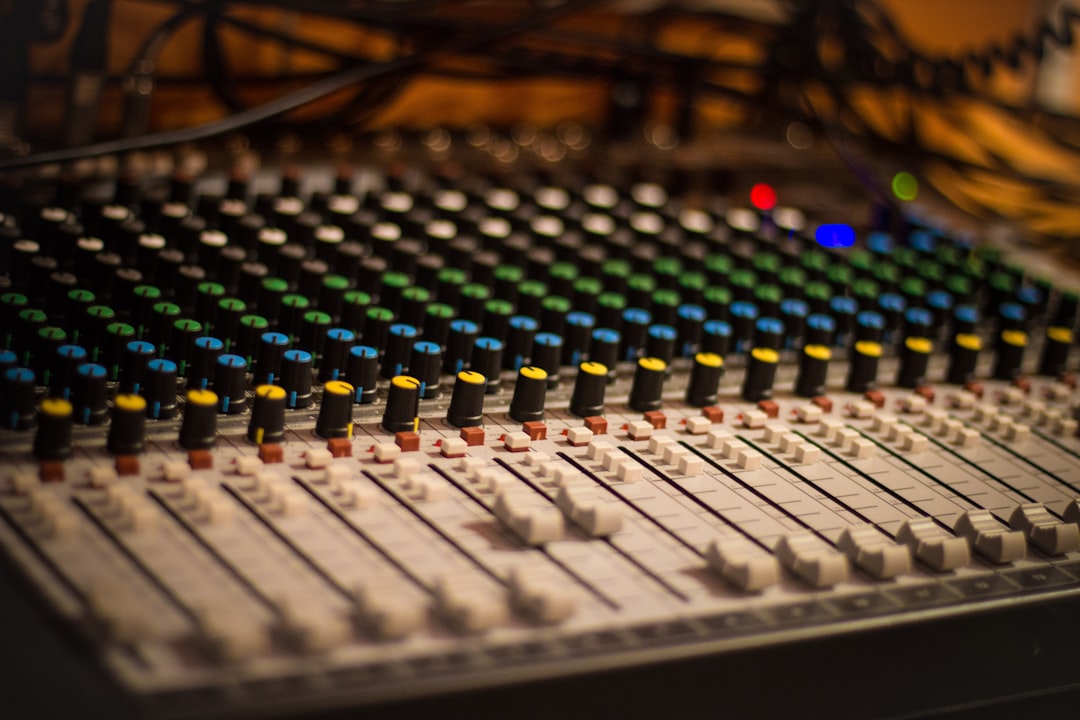
We’ve journeyed through the fascinating world of AI music generators — from their humble beginnings in algorithmic composition to the cutting-edge deep learning models shaping today’s soundscape. These tools are powerful allies for musicians and creators, offering fresh inspiration, workflow boosts, and democratized access to music creation.
Key takeaways:
- AI music generators learn from vast datasets to craft new compositions, blending neural networks, tokenization, and text conditioning to turn your prompts into melodies.
- They offer flexible control over style, timing, and mood, making them versatile for beginners and pros alike.
- Popular platforms like AIVA, Amper Music, Soundful, and OpenAI’s Jukebox each bring unique strengths — from orchestral mastery to genre diversity — but none fully replace the human touch.
- Ethical considerations around copyright, data bias, and transparency remain critical as AI reshapes the music industry.
- Far from replacing human creativity, AI is best embraced as a collaborative partner that sparks new ideas and expands musical horizons.
If you’re eager to experiment, our advice is simple: dive in, tweak freely, and blend AI’s gifts with your own artistry. The future of music is a thrilling duet between man and machine — and your next masterpiece might just be a click away.
Recommended Links for Deep Diving into AI Music 🎓🔗
Ready to explore or start creating? Here are some top AI music generators and resources to check out:
- AIVA: Amazon Search | Official Website
- Amper Music: Amazon Search | Official Website
- Soundful: Amazon Search | Official Website
- OpenAI Jukebox: OpenAI Blog
Books to deepen your understanding:
- “Artificial Intelligence and Music Ecosystem” by Eduardo Reck Miranda — Amazon Link
- “Deep Learning for Music” by Keunwoo Choi — Amazon Link
- “Music and AI: A Guide to the Future of Music Creation” by Peter Kirn — Amazon Link
FAQ: Your Burning Questions About AI Music Generators Answered 🔥❓

What are the best AI music generators for making your own song?
The best AI music generator depends on your needs and skill level:
- AIVA excels at orchestral and cinematic compositions, perfect for filmmakers and game developers.
- Amper Music offers high customization and genre variety, great for content creators needing tailored tracks.
- Soundful is user-friendly with a focus on stems and loops, ideal for producers wanting to build on AI-generated elements.
- OpenAI’s Jukebox pushes boundaries with vocal synthesis but requires technical know-how.
For most beginners and intermediate users, Amper Music and Soundful strike a great balance between ease of use and creative control. Explore multiple platforms to find your perfect fit!
Read more about “Can I Use Online Tools to Make a Song? 10 Best Picks for 2025 🎶”
Can AI music generators create original music or just mimic existing styles?
AI music generators create original compositions by learning patterns from existing music but do not simply copy or replicate tracks. They analyze vast datasets to understand musical structures, then generate new sequences that blend styles and elements in novel ways.
However, their creativity is bounded by the training data — meaning they excel at producing music within learned genres but may struggle with truly avant-garde or unprecedented sounds. Think of AI as a collaborative composer that remixes the past to inspire the future, rather than a pure innovator.
How do I use AI music generators to create a custom song with my own lyrics?
Most AI music generators focus on instrumental or melodic generation rather than full vocal production. To create a custom song with your own lyrics:
- Generate the instrumental track using your chosen AI platform, selecting genre, mood, and tempo.
- Write your lyrics separately or use lyric inspiration tools (check out our Lyric Inspiration category).
- Record your vocals over the AI-generated backing track in a DAW (Digital Audio Workstation).
- Optionally, use AI vocal synthesis tools (like Synthesizer V or Emvoice One) to generate singing from your lyrics, but note these require additional setup and may not perfectly capture human nuance.
This hybrid approach blends AI’s compositional power with your personal expression for authentic, custom songs.
Are AI-generated songs royalty-free and can I use them for commercial purposes?
This depends on the platform and its licensing terms:
- Many AI music generators like Amper Music and Soundful offer royalty-free licenses for tracks created on their platforms, allowing commercial use without additional fees.
- Some platforms may require attribution or have restrictions on redistribution.
- Always read the terms of service carefully before using AI-generated music commercially.
- Be cautious with models trained on scraped or unlicensed data, as copyright disputes (like those involving Suno and Udio) are ongoing in the industry.
When in doubt, choose reputable platforms with clear licensing policies to ensure your music is safe for commercial projects.
Read more about “What Are the 7 Best AI Music Generators for Custom Songs? 🎶 …”
Reference Links: Sources and Further Reading 📚🔍
- AssemblyAI: What AI in Music Can — and Can’t — Do
- Soundful: How to Create Music with AI
- Vox: How Does AI Music Work? Benefits, Creativity, and Production
- AIVA Official Website: https://www.aiva.ai/
- Amper Music Official Website: https://topaitools.com/tools/amper-music
- Soundful Official Website: https://soundful.com/
- OpenAI Jukebox Blog: https://openai.com/index/jukebox/
For more expert insights and tutorials, visit our Music Industry Insights and Melody Creation categories!